













Loading...


 View Full Screen
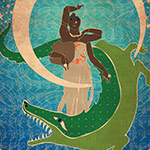
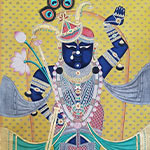
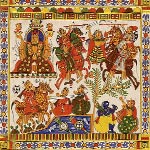
Arasuri Shree Ambaji Mataji
(inclusive of taxes)
 Request Information
 Request A Call Back

All orders are insured for transit.
This item cannot be shipped outside India.
You May Also Like
-
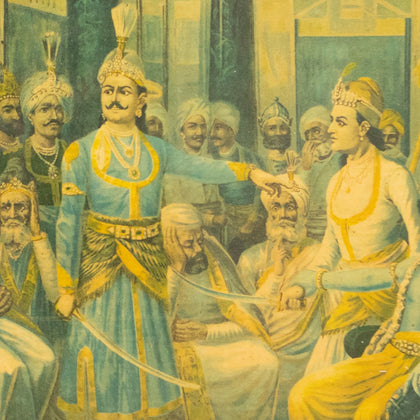
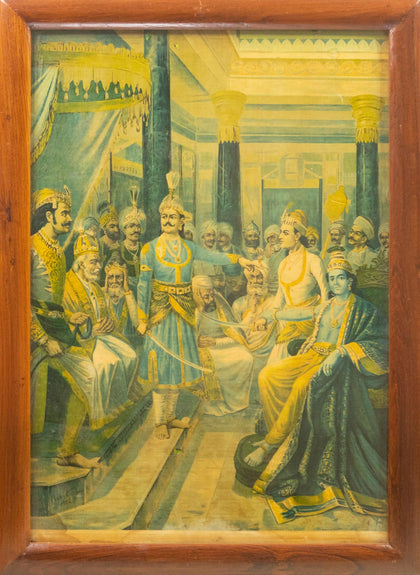
Krishna Shishtai - 03
Oleograph 22 x 16 inches (Framed)Raja Ravi Varma -
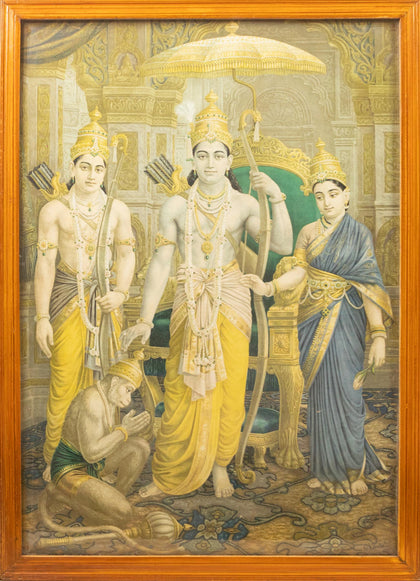
Kodandarama - 03
Oleograph 29 x 21 inches (Framed)G.V. Venkatesh Rao -
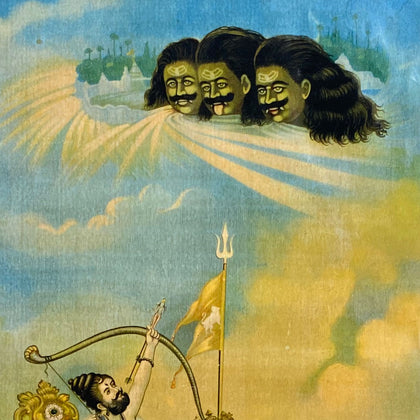
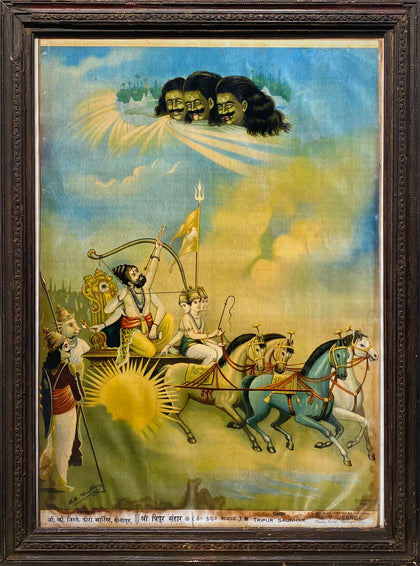
Shri Tripur Saunhar
Oleograph 31.5 x 23.75 inches (Framed) -


Vishnu with Consorts - 06
Oleograph (Decorated) 20.5 x 15.5 inches (Framed)Raja Ravi Varma -


Lakshmi - 10
Oleograph (Decorated) 25.5 x 19.5 inches (Framed)Raja Ravi Varma -


Saraswati - 09
Oleograph (Decorated) 24.5 x 18.5 inches (Framed)Raja Ravi Varma -


Chinese Advertising Print - 01
Oleograph 32 x 22.5 inches (Framed) -


Chinese Advertising Print - 02
Oleograph 32.5 x 22.5 inches (Framed) -
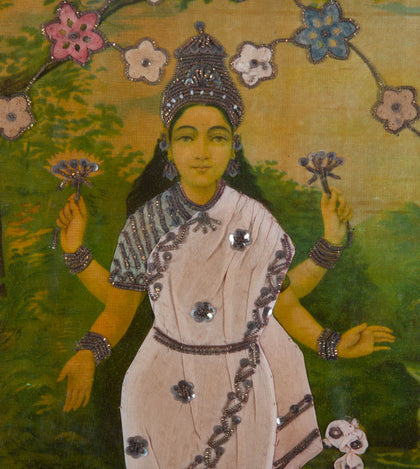
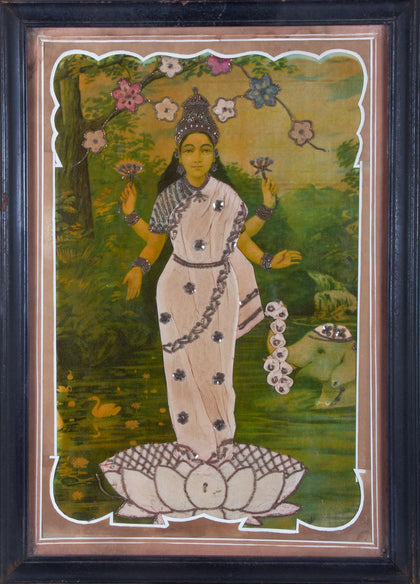
Lakshmi - 05
Oleograph (Decorated) 22 x 16 inches (Framed) -
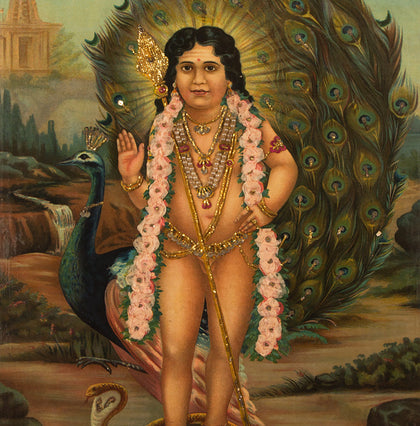
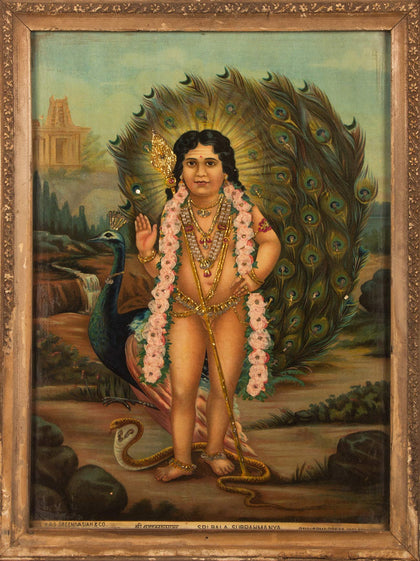
Kartikeya / Murugan
Decorated Print 20 x 14 inches -
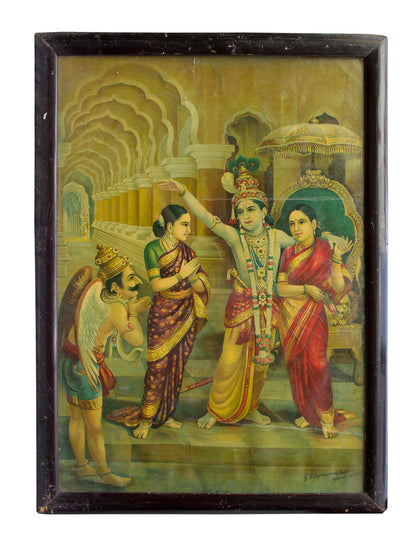
Krishna's Aseervaadam
Oleograph 30 x 20 inches (Framed) -
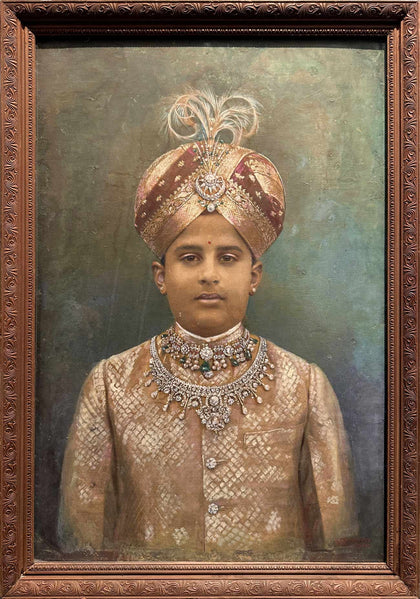
Maharaja of Mysore Jayachamarajendra Wadiyar
Hand-coloured Photograph 32 x 22.5 inches (framed) -


Shree Lakshmi Narayan
Decorated Oleograph 22 x 17 inches (framed)Vasudeo Pandya -


Tirupathi Venkateswarar
Decorated Oleograph 23 x 17 inches (framed)K.S. Siddalinga Swami -


Satyanarayana
Oleograph 23 x 17 inches (framed)K.S. Siddalinga Swami -


Sri Venugopala - 02
Decorated Oleograph 24 x 18 inches (framed)C G Ramanujam -


Sri Venugopala - 03
Oleograph 23 x 17.5 inches (framed)C G Ramanujam -


Kailash Shankar - 09
Oleograph 19.5 x 15.5 inches (framed)Raja Ravi Varma -


Murli Manohar
Oleograph 23.5 x 18 inches (framed) -


Shree Radha Rukmini Krishna - 02
Decorated Oleograph 23 x 17 inches (framed)C G Ramanujam -


Sreeman Narayana
Oleograph 30.5 x 22.5 inches (framed) -


Krishna with Yashoda and Nanda
Decorated Oleograph 21 x 16.5 inches (framed)C G Ramanujam -
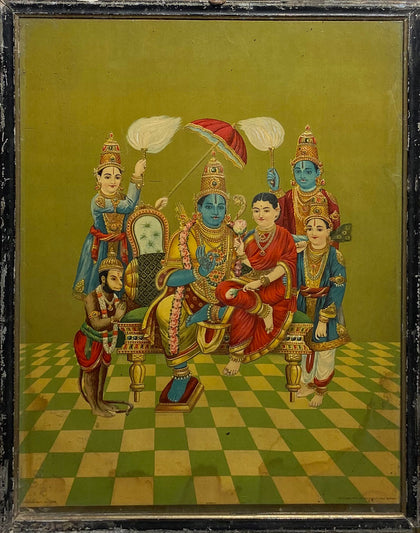
Ram Panchayatan
Oleograph (Embossed) 21 x 16 inches (Framed)C G Ramanujam -
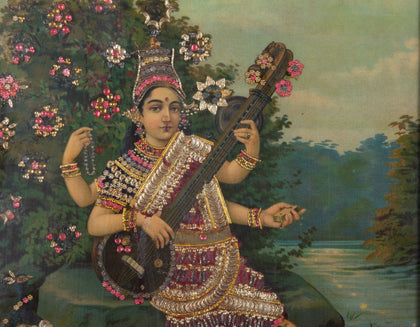
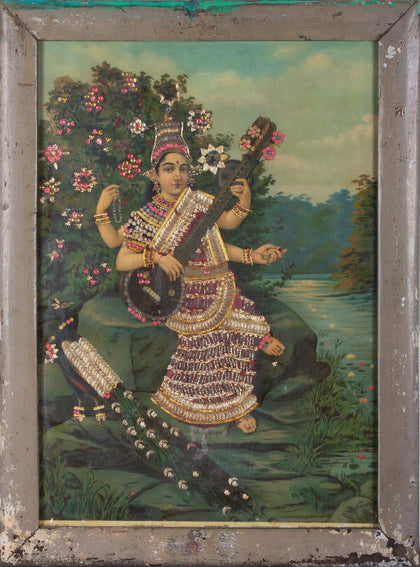
Saraswati - 06
Oleograph (Decorated) 22.5 x 16.5 inches (Framed)Raja Ravi VarmaPrice on Inquiry| Sold -
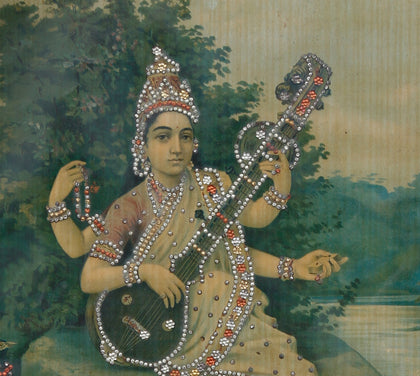
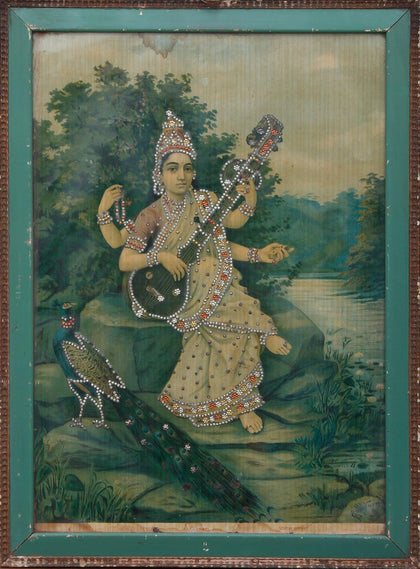
Saraswati - 07
Oleograph (Decorated) 22.5 x 16.5 inches (Framed)Raja Ravi VarmaPrice on Inquiry| Sold -
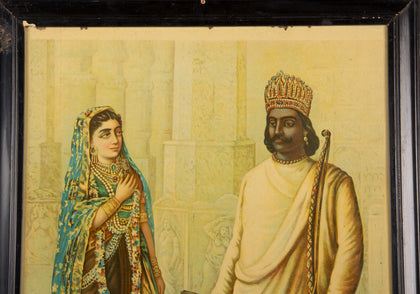
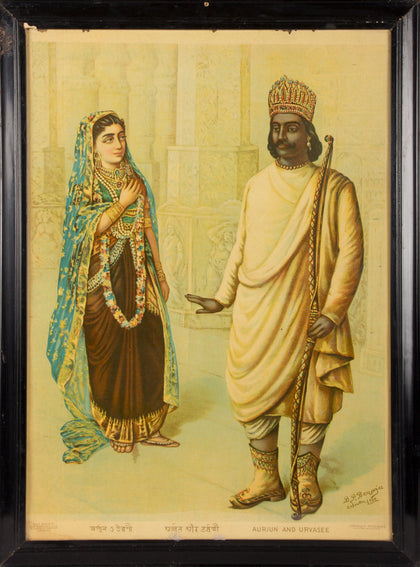
Arjuna and Urvasee (Urvashi)
Oleograph 24 x 18 inches (Framed)Price on Inquiry| Sold -
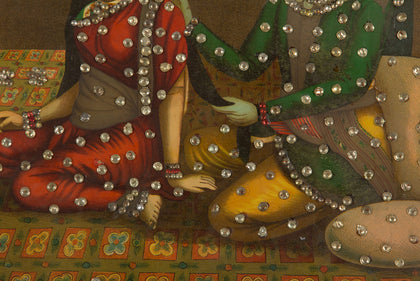
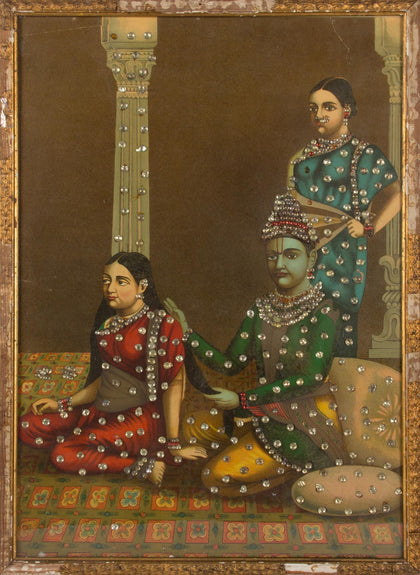
Krishna, Radha and Rukmini
Oleograph (Decorated) 23 x 18 inches (Framed)Price on Inquiry| Sold -
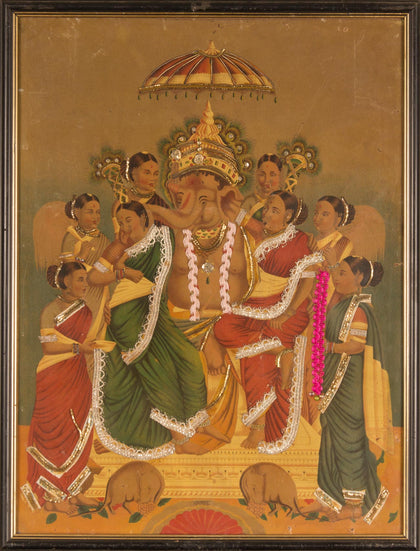
Ganesha with Ashta Siddhis
Oleograph (Decorated) 21 x 16.5 inches (Framed)Price on Inquiry| Sold -
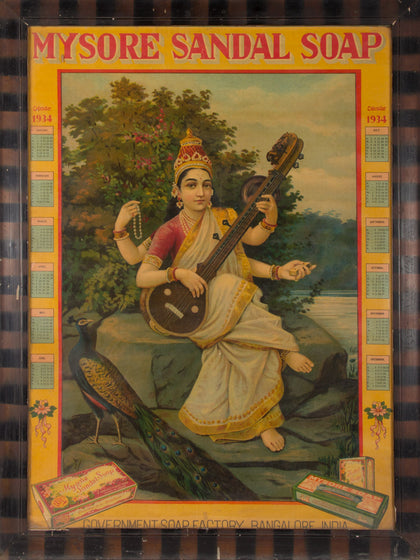
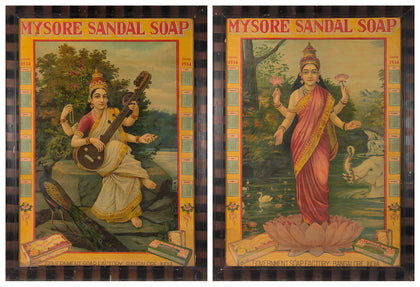
Saraswati and Lakshmi (Pair) 02
Advertising Print 31 x 23 inches each (Framed)Raja Ravi VarmaPrice on Inquiry| Sold -
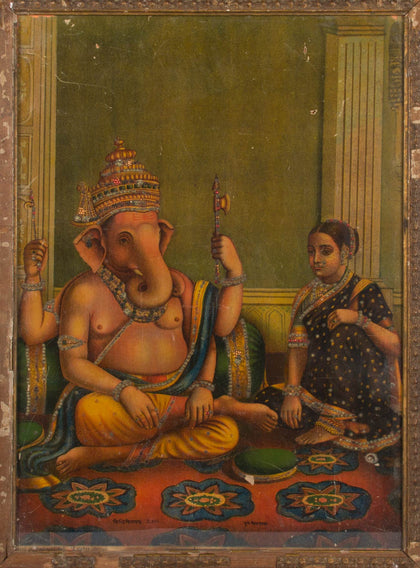
Siddhi Vinayak
Oleograph 20.5 x 15 inches (Framed)Price on Inquiry| Sold -
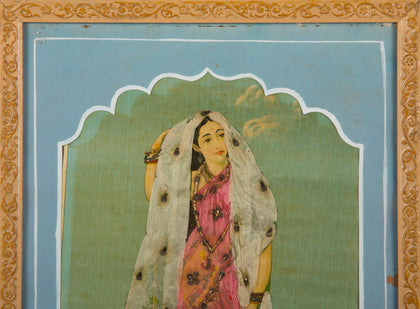
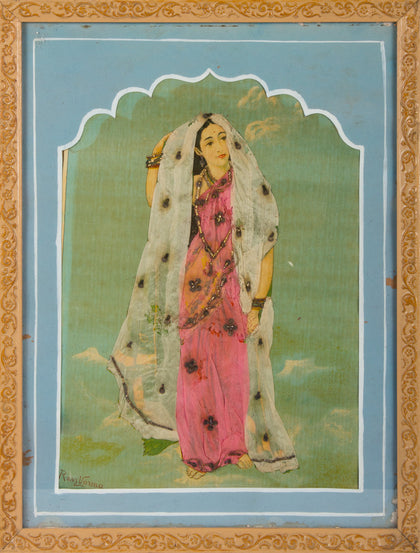
Rambha
Oleograph (Decorated) 17 x 13 inches (Framed)Raja Ravi VarmaPrice on Inquiry| Sold -
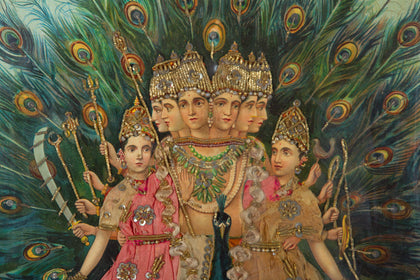
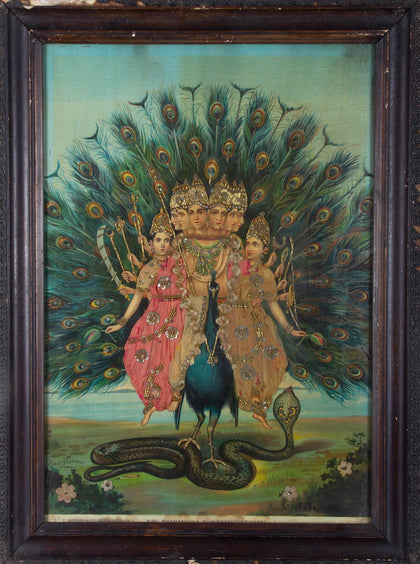
Kartikeya (Subramanyaswami) - 04
Oleograph (Decorated) 23.5 x 17.5 inches (Framed)Raja Ravi VarmaPrice on Inquiry| Sold -
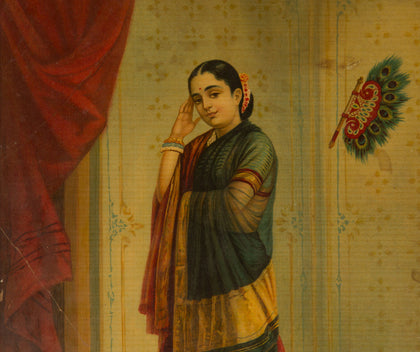
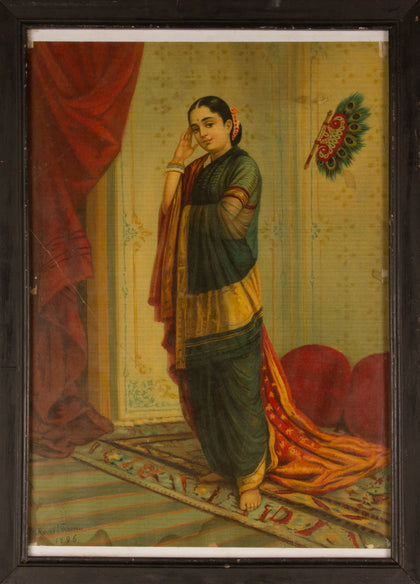
Vasantasena
Oleograph 22 x 16 inches (Framed)Raja Ravi VarmaPrice on Inquiry| Sold -
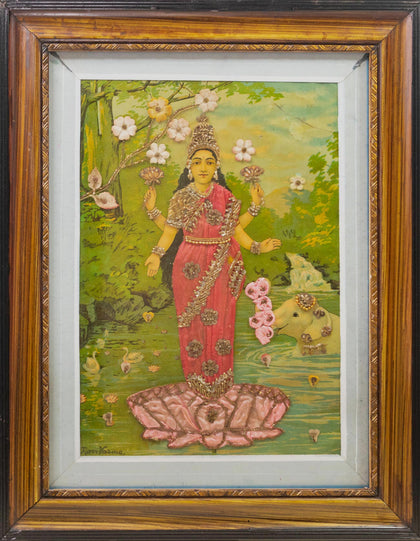
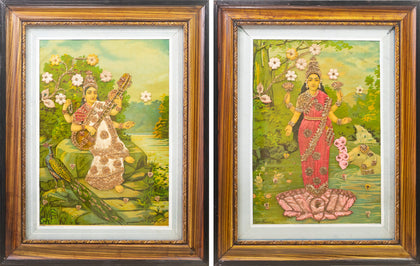
Saraswati and Lakshmi (Pair) 05
Oleograph (Decorated) 19.25 x 15 inches each (Framed)Raja Ravi VarmaPrice on Inquiry| Sold -
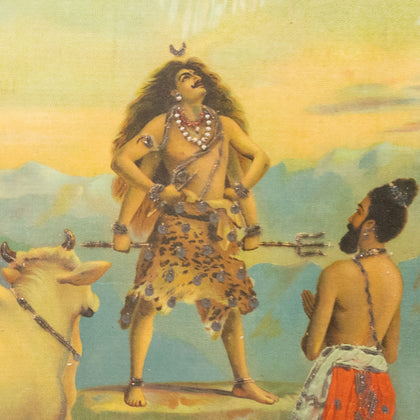
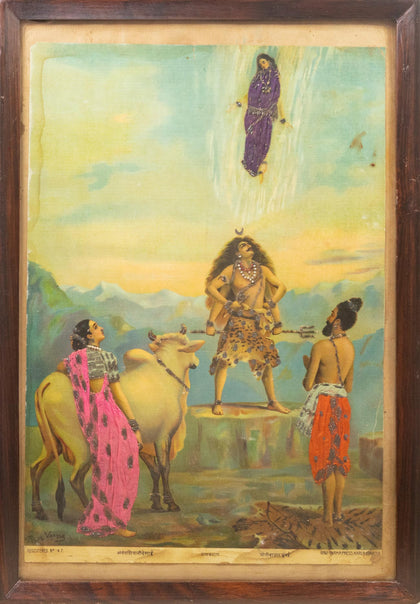
Gangavataran - 02
Oleograph (Decorated) 23 x 16 inches (Framed)Raja Ravi VarmaPrice on Inquiry| Sold -
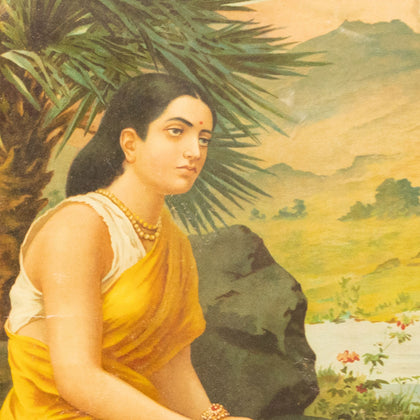
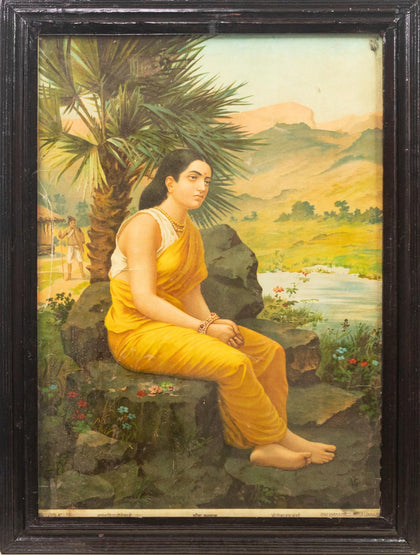
Sita Vanvas - 02
Oleograph 22.5 x 17 inches (Framed)Raja Ravi VarmaPrice on Inquiry| Sold -
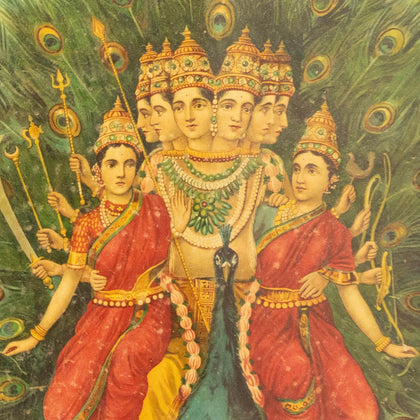
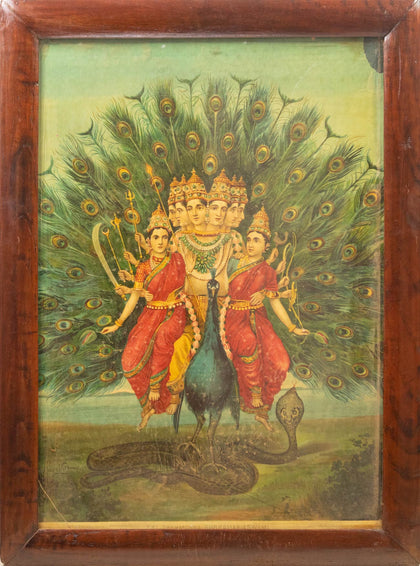
Kartikeya (Subramanyaswami) - 05
Oleograph 22 x 16.5 inches (Framed)Raja Ravi VarmaPrice on Inquiry| Sold -
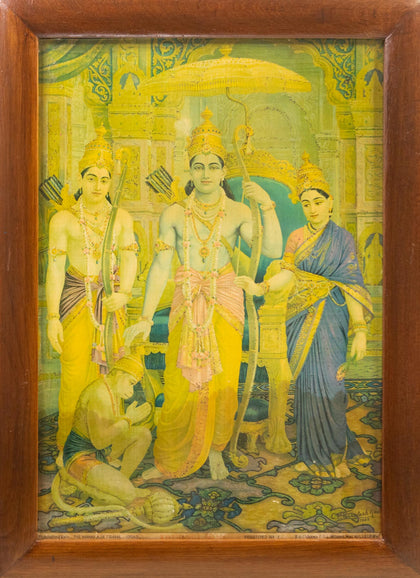
Kodandarama - 02
Oleograph (Decorated) 22.5 x 16.5 inches (Framed)G.V. Venkatesh RaoPrice on Inquiry| Sold -
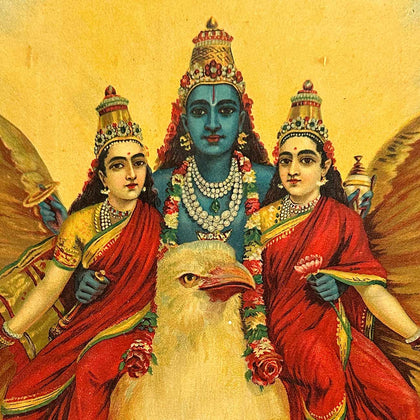
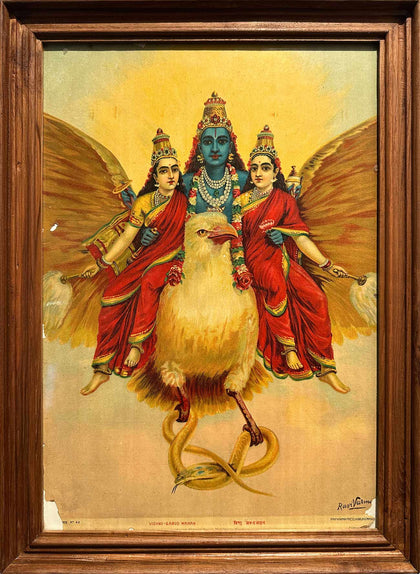
Vishnu with Consorts - 02
Oleograph 22.5 x 16.5 inches (framed)Raja Ravi VarmaPrice on Inquiry| Sold -
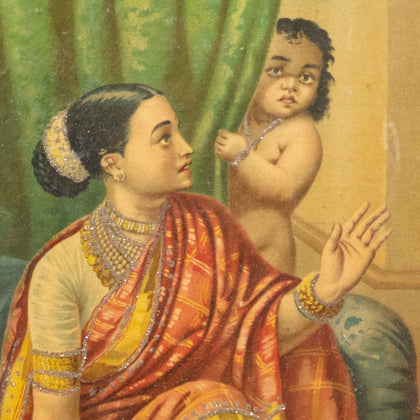
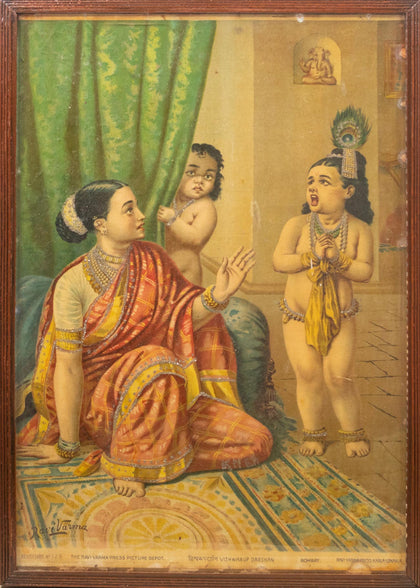
Vishwarup Darshan
Oleograph (Decorated) 21 x 15 inches (Framed)Raja Ravi VarmaPrice on Inquiry| Sold -
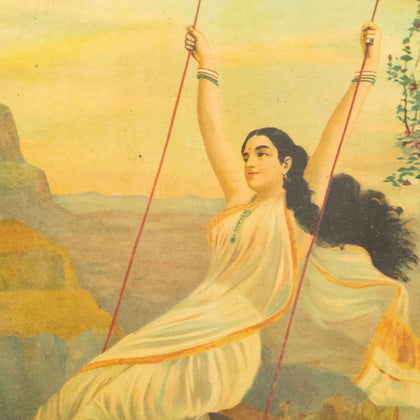
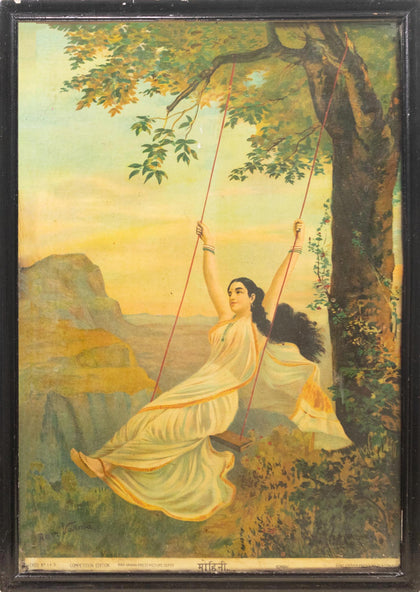
Mohini - 05
Oleograph 21.5 x 15 inches (Framed)Raja Ravi VarmaPrice on Inquiry| Sold -
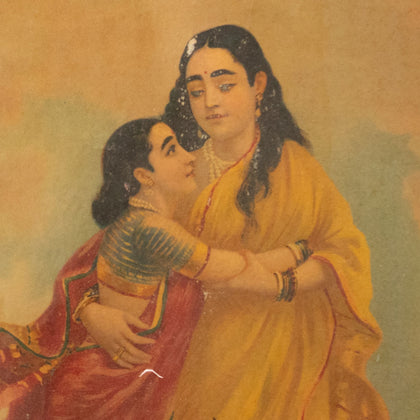
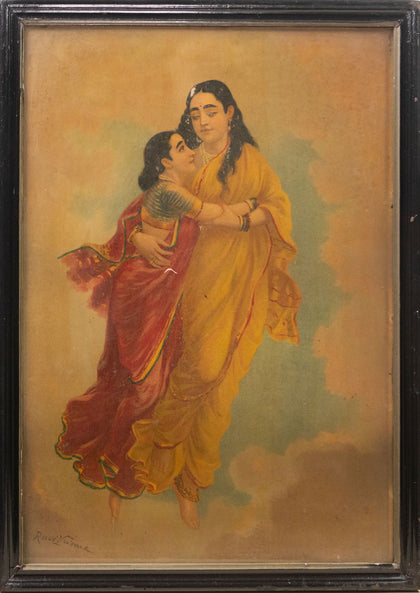
Menaka and Shakuntala - 02
Oleograph 21.75 x 15.5 inches (Framed)Raja Ravi VarmaPrice on Inquiry| Sold -
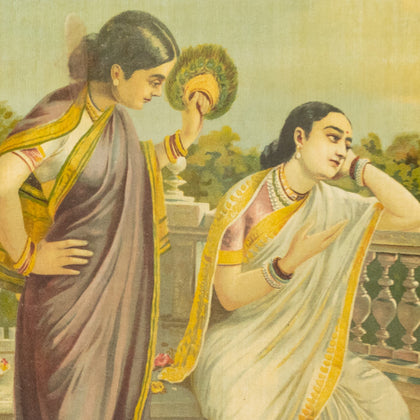
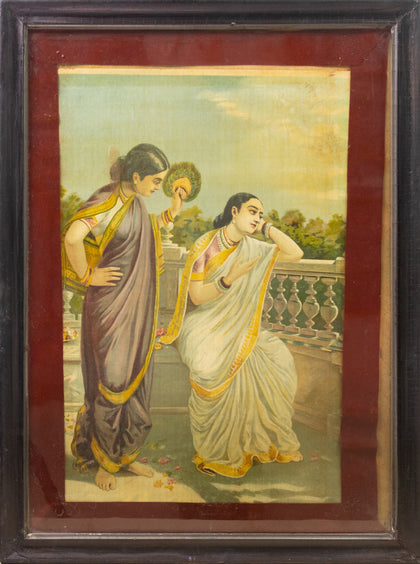
Damayanti - 02
Oleograph 24 x 18 inches (Framed)Raja Ravi VarmaPrice on Inquiry| Sold -
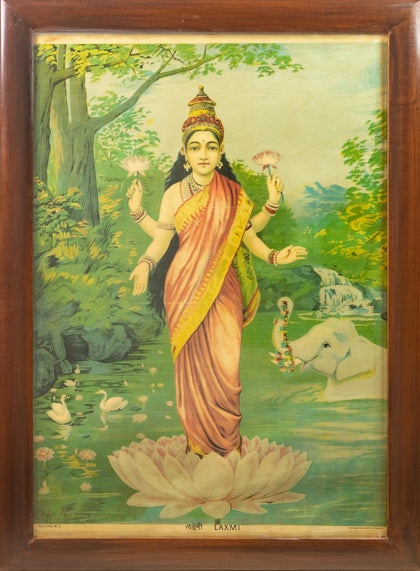
Lakshmi - 08
Oleograph 31 x 23 inches (Framed)Raja Ravi VarmaPrice on Inquiry| Sold -
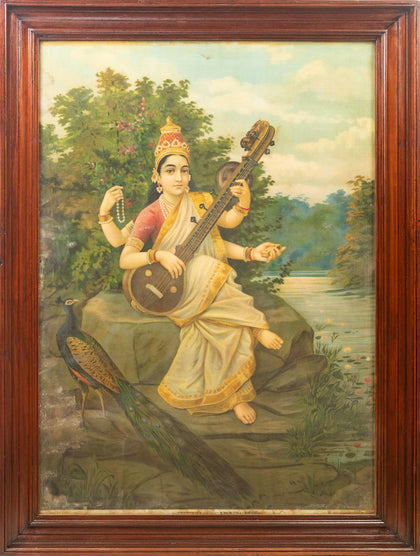
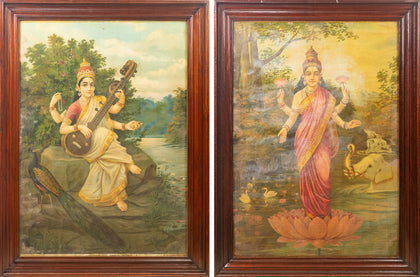
Saraswati and Lakshmi (Pair) 06
Oleograph 32 x 24 inches each (Framed)Raja Ravi VarmaPrice on Inquiry| Sold -
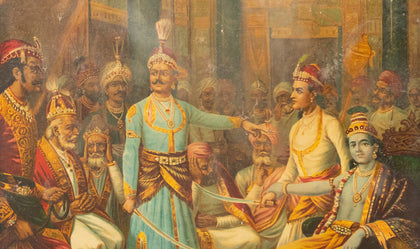
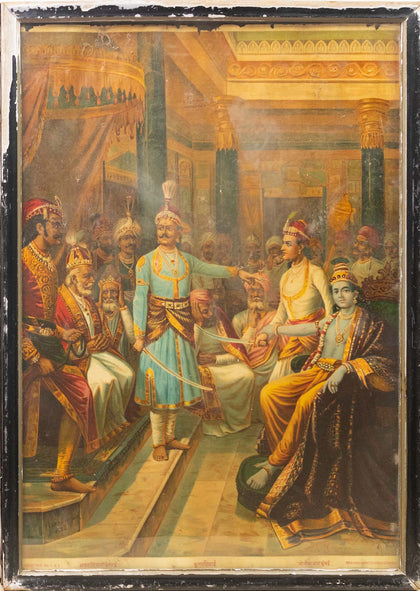
Krishna Shishtai - 04
Oleograph 21 x 15 inches (Framed)Raja Ravi VarmaPrice on Inquiry| Sold -
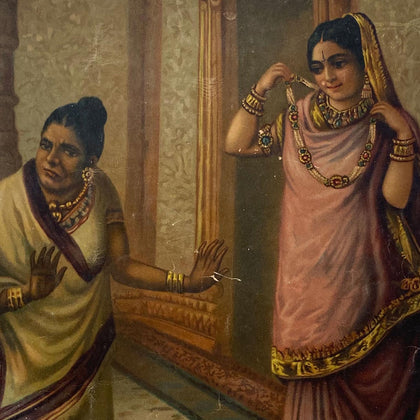
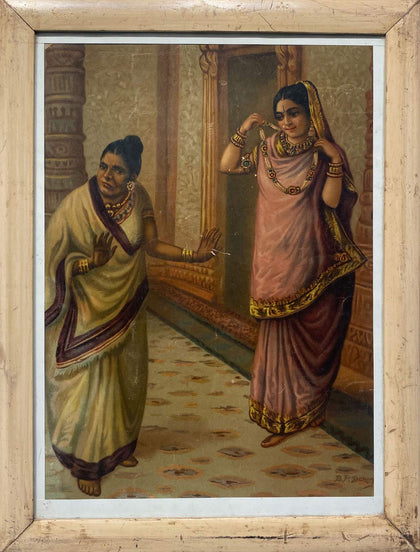
Manthara and Kaikeyi
Oleograph 22.25 x 16.75 inches (Framed)Price on Inquiry| Sold -
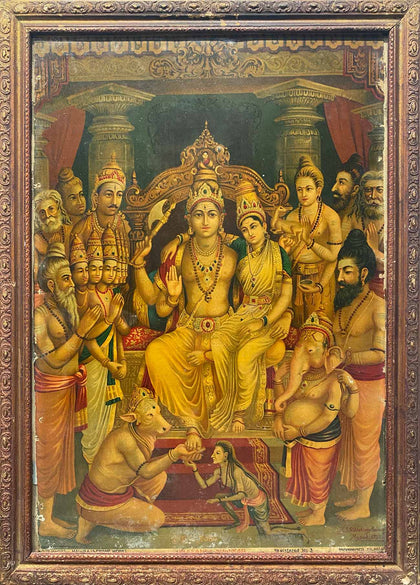
Sri Prasanna Shankara
Oleograph 22 x 16 inches (Framed)K.S. Siddalinga SwamiPrice on Inquiry| Sold -
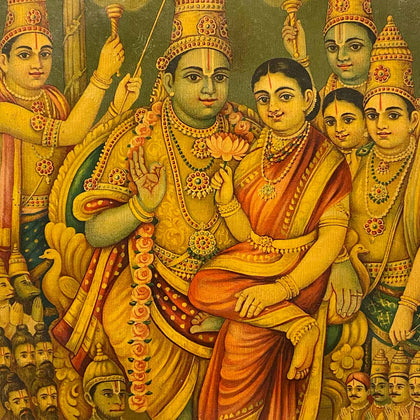
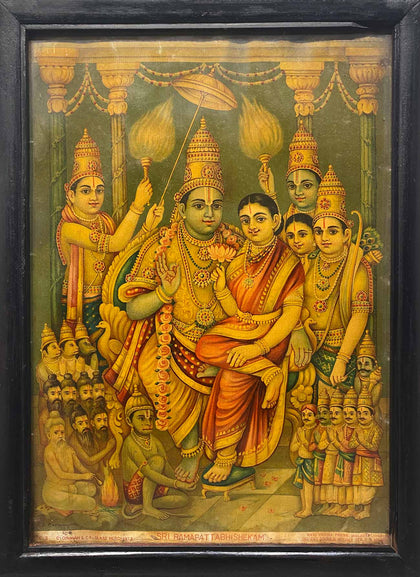
Sri Ramapattabhishekam
Oleograph 21.75 x 15.75 inches (Framed)C G RamanujamPrice on Inquiry| Sold


