





















Loading...


 View Full Screen
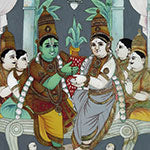
Shree Radha Rukmini Krishna - 02
by C G Ramanujam
(inclusive of taxes)
 Request Information
 Request A Call Back

All orders are insured for transit.
This item cannot be shipped outside India.
You May Also Like
-
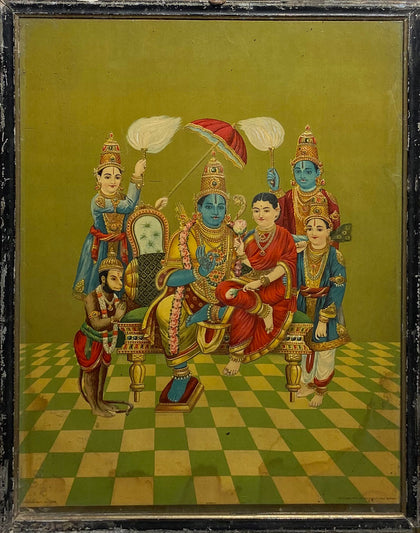
Ram Panchayatan
Oleograph (Embossed) 21 x 16 inches (Framed)C G Ramanujam -
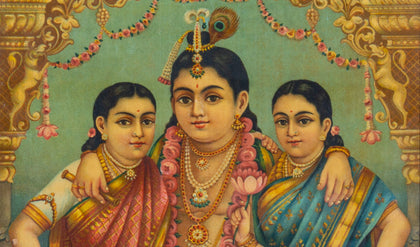
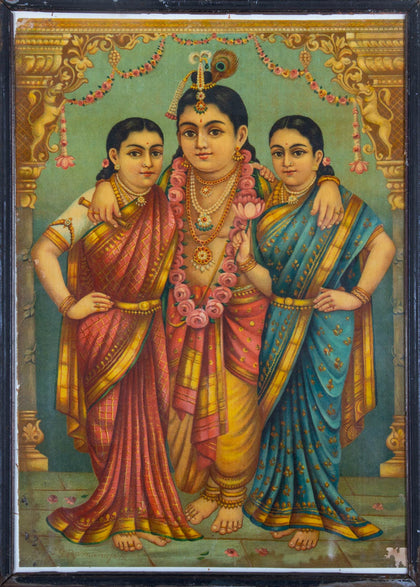
Shree Radha Rukmini Krishna
Oleograph 20.5 x 14.5 inches (Framed)C G RamanujamPrice on Inquiry| Sold -
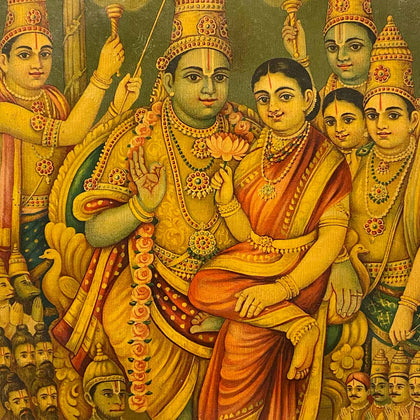
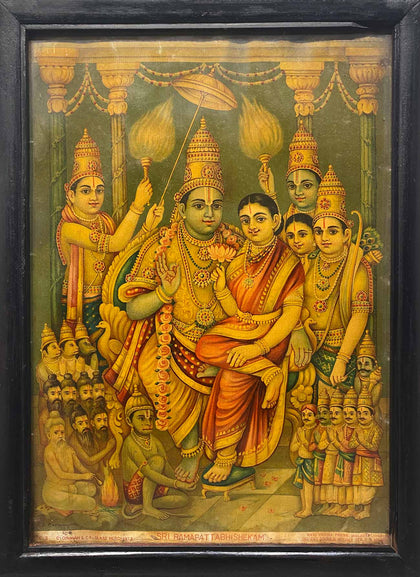
Sri Ramapattabhishekam
Oleograph 21.75 x 15.75 inches (Framed)C G RamanujamPrice on Inquiry| Sold -


Sri Venugopala
Oleograph (Decorated) 25.5 x 19.5 inches (Framed)C G RamanujamPrice on Inquiry| Sold -


Rukmani Kalyanam
Oleograph (Decorated) 22 x 15.5 inches (Framed)C G RamanujamPrice on Inquiry| Sold -


Sri Venugopala - 02
Decorated Oleograph 24 x 18 inches (framed)C G Ramanujam -


Sri Ramapattabhishekam - 02
Oleograph 24.5 x 19 inches (framed)C G RamanujamPrice on Inquiry| Sold -


Krishna with Yashoda and Nanda
Decorated Oleograph 21 x 16.5 inches (framed)C G Ramanujam -


Sri Venugopala - 03
Oleograph 23 x 17.5 inches (framed)C G Ramanujam


