














Artist
Durgadas Garai

Born in 1994, Durgadas Garai completed his BFA Printmaking (Graphic Arts) from IKSV, Khairagarh, Chhattisgarh in 2017 and his MVA (Graphic Arts) from M.S. University of Baroda in 2019. His artistic practice is rooted in memory, observation, and lived experience. Growing up in Khairagarh surrounded by forests, rivers, and an ever-changing natural landscape, Durgadas developed a deep awareness of both nature's beauty and its fragility. This relationship has shaped his ongoing inquiry into the emotional and political consequences of environmental disasters and human conflict.
Durgadas’s work investigates the invisible aftermath of floods, ecological destruction, displacement, and political violence. Rather than depicting catastrophe itself, he explores the silence, absence, and psychological scars that remain long after the event has disappeared from public attention.
His recent research expands this concern to the political landscape, examining how governance, development policies, environmental exploitation, media narratives, and power structures shape public suffering. It’s not merely a document of suffering; it is an act of resistance against indifference. It reveals the human cost of climate change, ecological degradation, and political failure, while warning that ignoring these realities places our shared future at serious risk.
Printmaking is his primary language because its physical processes — etching, biting, layering, and repeated impressions — enable him to transform personal observation, field research, archival material, and lived realities into visual testimonies that confront environmental injustice, collective memory, and political accountability. Durgadas believes art can function as both witness and resistance, encouraging viewers to critically reflect on the fragile, interconnected relationship between humanity, nature, and power.
Through this process, Durgadas hopes to foster empathy, awareness, and a deeper sense of collective responsibility toward the world we inhabit. He questions how political decisions determine who survives, who is displaced, and whose stories are forgotten.
APPLIED FILTERS :
APPLIED FILTERS :
-


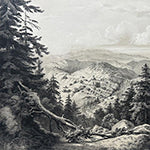
Knowingly and Unknowingly Misfortune
Etching and Aquatint 35.5 x 23.5 inchesDurgadas Garai


